Heritage & Journal
How a two-person repair bench became a small atelier — and what fifteen years on the bench has taught us about collecting.
Founded in a single rented room above a Geneva watch-parts supplier, taking in repair work other shops turned away — mostly pocket watches nobody made parts for anymore.
Built our first in-house tourbillon regulator, after growing tired of sending movements out for timing and waiting three weeks for a result we could have measured ourselves.
Moved into the current atelier space on Rue du Rhône, large enough for a proper cleaning line and a bench dedicated entirely to hairspring work.
Started cataloguing restored pieces for collectors who wanted a finished, verified watch rather than a restoration project — the beginning of the collection you see today.
Past 410 movements restored, with clients in nineteen countries and a waiting list for tourbillon commissions that now runs several months long.
From the journal.
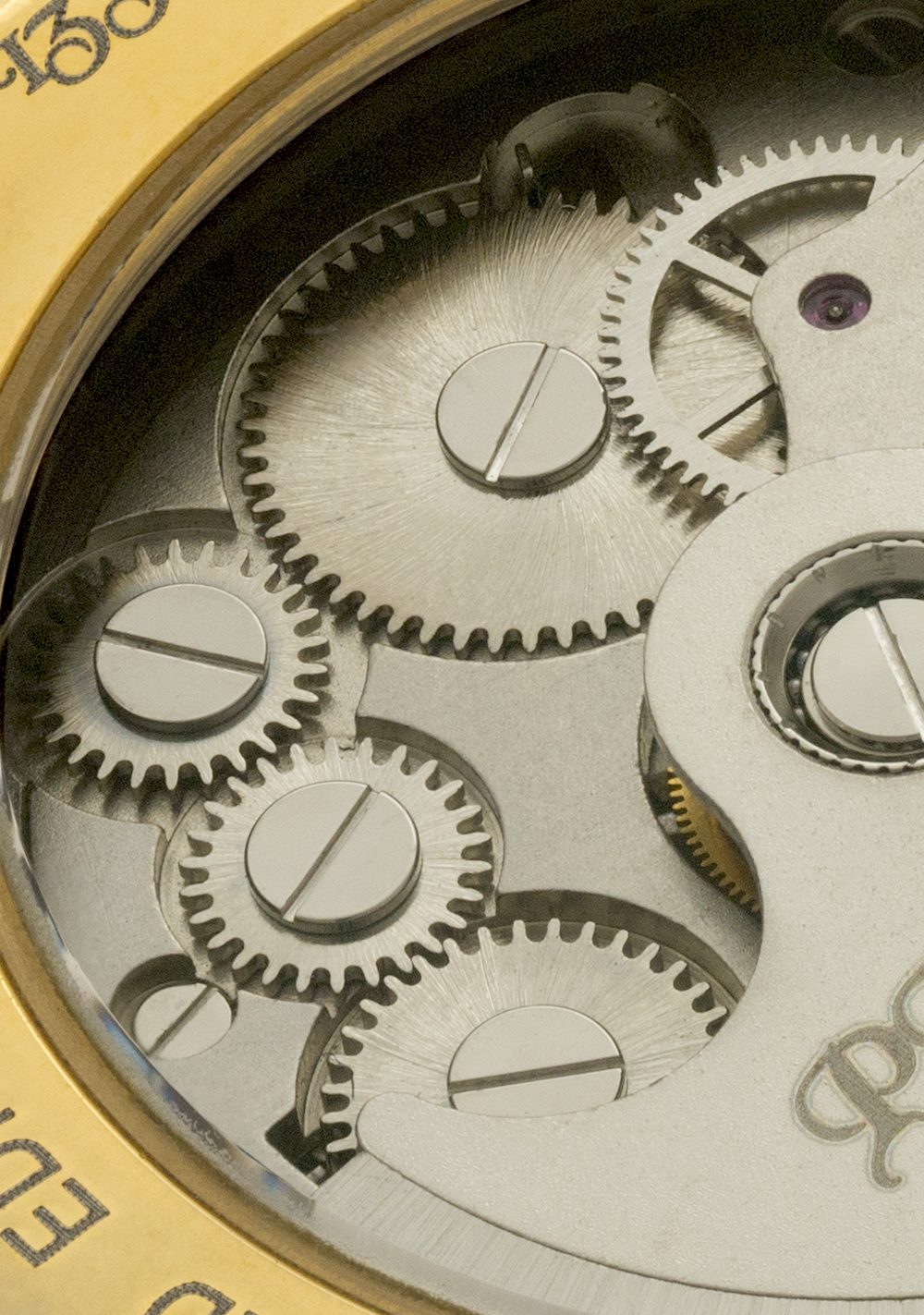
The Return of the Manual Wind
For a decade, automatics were the default request: wind it once and forget it. That's shifted. More collectors now specifically ask for hand-wound movements, and it isn't nostalgia — it's that a manual calibre has fewer parts to wear, no rotor bearing to service, and a thinner case as a result.
The trade-off is obvious: you have to remember to wind it. Most of our clients say that's exactly the point. A watch that asks something of you, once a day, stops being background noise on your wrist.
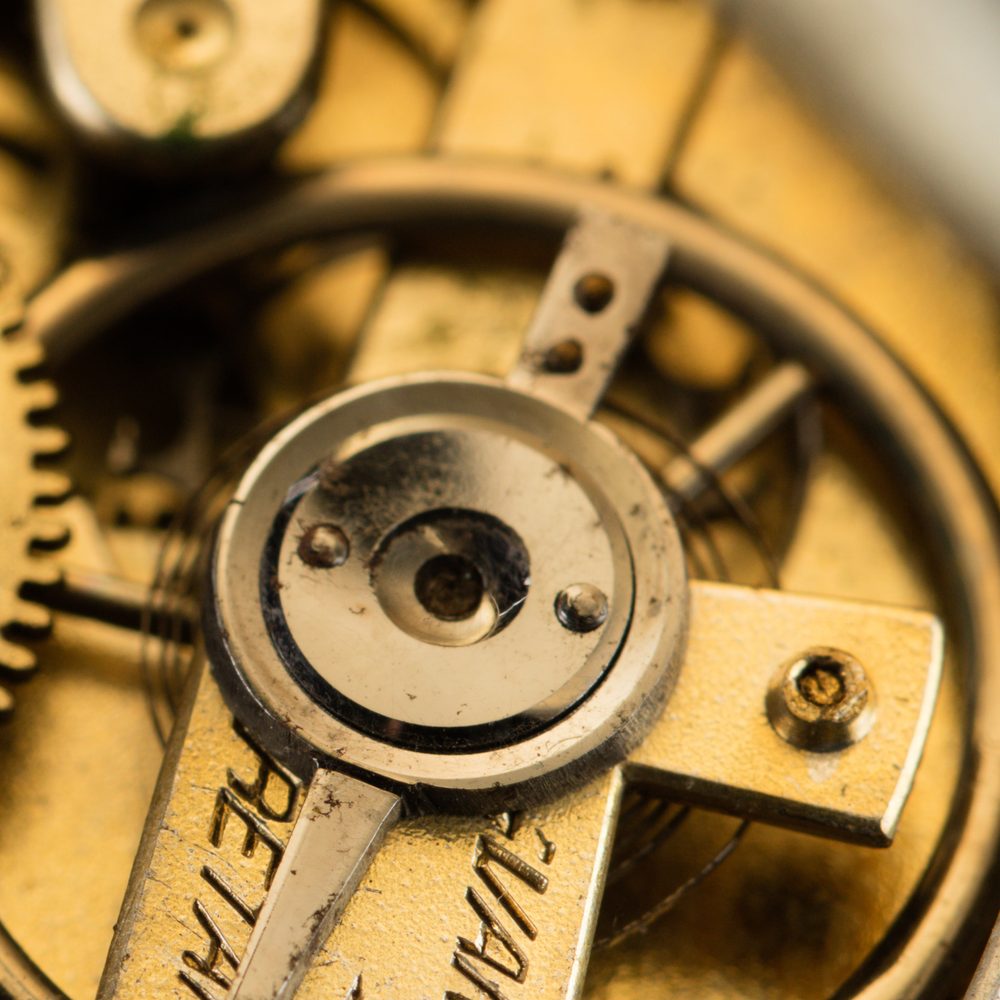
Where to Start, If You're Starting Late
Most collectors we meet didn't start until their forties or later, usually after inheriting a watch that needed work. The advice we give them is the same every time: buy the movement, not the story. A well-documented, honestly-worn piece from a maker nobody's heard of will outlast a "restored" piece with a redialled face and a mystery movement swap.
Ask for the service history. If there isn't one, ask who's going to write the first page of it — that's the atelier's job, and it's the only guarantee that actually means anything.
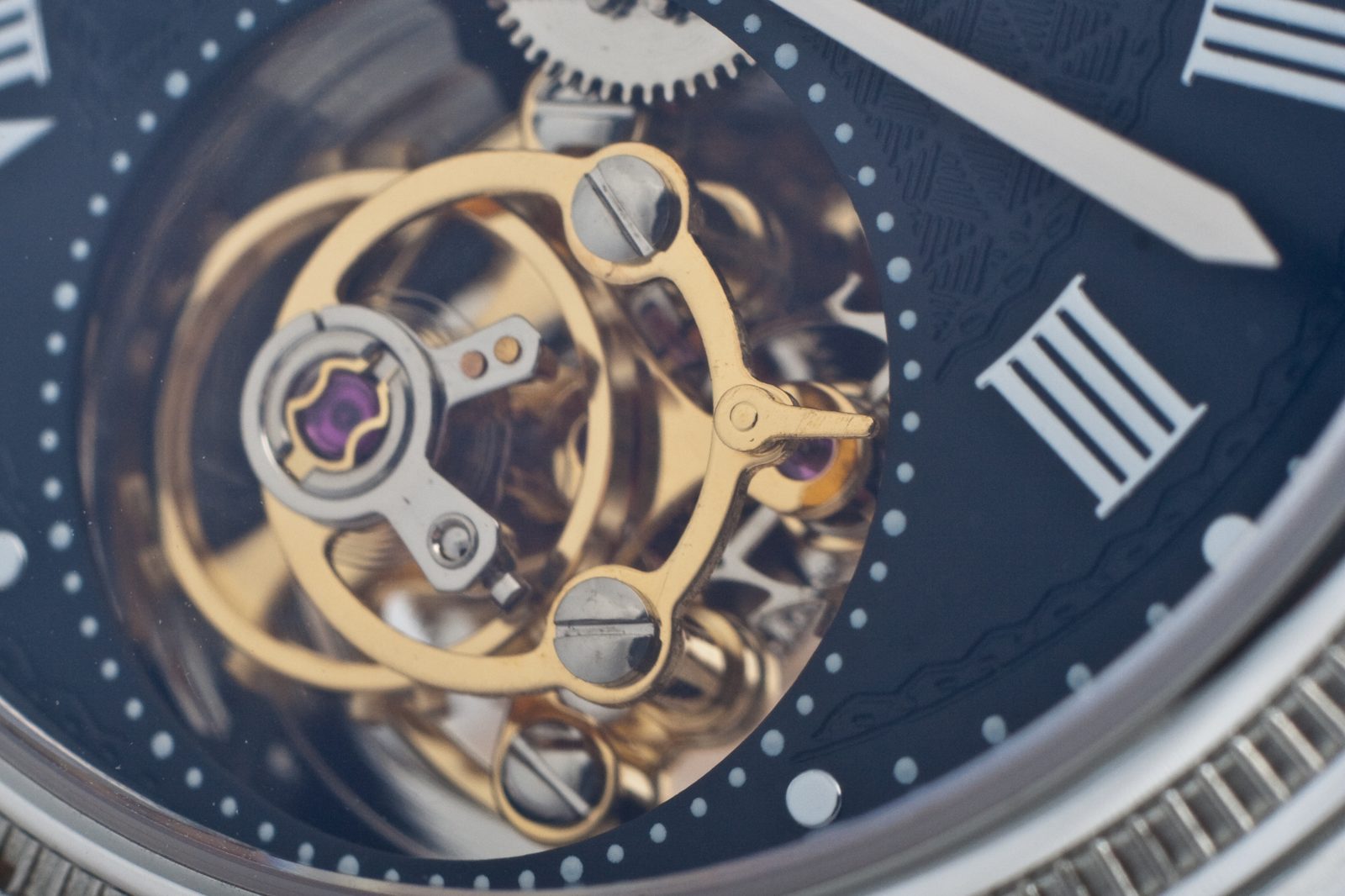
Anatomy of a Tourbillon
A tourbillon exists to solve one problem: gravity affects a balance wheel differently depending on which position the watch is in, which throws off the rate. Breguet's solution, over two centuries ago, was to mount the entire escapement in a rotating cage, so the position errors average themselves out over each rotation.
On a wristwatch — which spends most of its life in only two or three positions anyway — the practical timekeeping benefit is modest. What isn't modest is the machining tolerance it demands: a cage with dozens of parts, often under half a gram, has to spin freely for years without adjustment. That's the part worth admiring.